
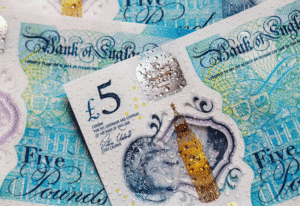
Buy Counterfeit British Pound Notes | Top Notch Quality
Introduction If you’re wondering where to buy counterfeit British pound notes, you’re not alone. In
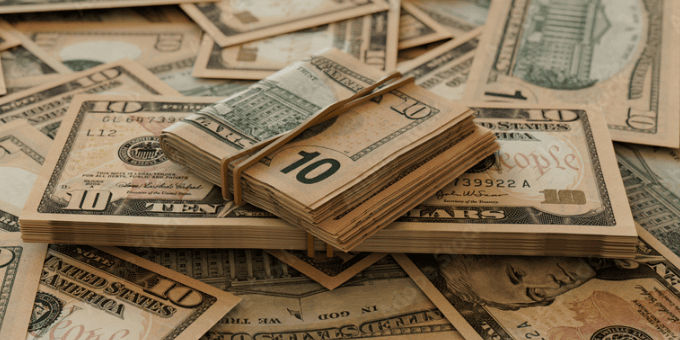
In today‘s digital age, the prevalence of counterfeit US dollar bills has surged, particularly within online marketplaces. As technology advances, so do the methods used by counterfeiters, making it increasingly challenging for individuals and businesses to differentiate between authentic currency and fakes. This article delves into the world of counterfeit currency, exploring the complexities surrounding its online proliferation, the legal ramifications for those involved, and practical tips for identifying fake bills. By understanding the nature of counterfeiting and the tools available for detection, readers can better protect themselves from falling victim to these fraudulent schemes.
Counterfeit currency refers to fake money produced with the intent to deceive its recipient into believing it is real. These replicas can be made using various methods, from advanced printing techniques to simple home printers. The primary goal of counterfeiting is to make a profit by spending or exchanging these phony bills without anyone being the wiser.
Counterfeiting has been around since the invention of currency itself—think of it as one of the world’s oldest professions, albeit one with decidedly less charm than a used car salesman. In the early days, people would forge coins out of less valuable metals. Fast forward to the 21st century, and technology has revolutionized the game. Today’s counterfeiters can utilize digital tools to create impressively convincing fake bills, leaving law enforcement with a never-ending cat-and-mouse chase.
The Internet has become a virtual Wild West for counterfeit goods, and US dollar bills are no exception. With a few clicks, you can find everything from knockoff designer handbags to fake currency. Online marketplaces, especially those with fewer regulations, often unwittingly become the playground for counterfeiters, who exploit the anonymity of the web to sell their wares.
The convenience of online shopping is a double-edged sword. While it makes life easier for the average Joe, it also provides counterfeiters with a vast audience. Social media platforms, auction sites, and even encrypted messaging apps serve as breeding grounds for these shady transactions, allowing would-be criminals to bypass traditional retail scrutiny and reach customers looking for a “good deal.”
Authentic US dollar bills come packed with a range of security features designed to thwart counterfeiters. These include a watermark that matches the portrait, security threads that run through the bill, color-shifting ink that changes hue when viewed from different angles, and microprinting that’s nearly impossible to reproduce. These little extras aren’t just for show; they’re the US government’s way of making counterfeiters sob into their printing presses.
So, how do you spot a faker? Look for the lack of the above security features. If the bill feels off—too smooth, too flimsy, or too much like a college student’s art project—that’s a red flag. Check for blurry printing or inconsistent colors; authentic bills are crisp and clear. And if it doesn’t have that delightful smell of freshly minted victory… just walk away.
In the eyes of the law, buying or selling counterfeit currency is no laughing matter. Under federal law, it’s a serious crime that can lead to hefty fines and prison time. The U.S. Secret Service, the agency tasked with investigating counterfeit money, takes this issue seriously. Depending on the scale of the operation, penalties can range from a slap on the wrist to several years behind bars. So, if you’re thinking about dabbling in the dark side, you might want to reconsider that career choice.
History has seen its fair share of individuals who miscalculated the risks of counterfeiting. Take the case of a small-time artist who thought he could create some “funny money” for a prank. Instead, he ended up with a criminal record and a hefty fine—all for a joke that landed him in deep water. Each case serves as a cautionary tale highlighting that the allure of easy money is often overshadowed by the glaring reality of legal repercussions. In short, crime doesn’t pay; it costs.
When navigating the wild west of online shopping, the phrase “if it seems too good to be true, it probably is” should be your trusty steed. Stick to reputable sites, read reviews like they’re a gripping novel, and use secure payment methods that offer buyer protection. Trust your instincts—if a seller is dodgier than a bank robber in a movie, steer clear.
Spotting counterfeit bills in online listings is akin to finding a needle in a haystack, but some signs are like flashing neon lights. Watch for prices that scream “bargain” and listings that lack detailed descriptions or high-quality images. If the seller has an empty feedback profile, it’s usually time to back away slowly. A little skepticism goes a long way!
If you find yourself with a counterfeit bill, don’t panic! First, have a good look at it—compare it with genuine currency if you can. Then, take the bill to your nearest bank or law enforcement agency. Make sure you don’t spend it (not even at that questionable taco truck), as that could land you in hot water. Keep your receipt and any evidence; you may need it later.
Once you’ve secured that phony paper, it’s time to notify the proper authorities. For local issues, your police department is a great starting point. For federal matters, the Secret Service (yes, the ones in suits and sunglasses) is responsible for protecting our currency. Reporting this scam will help keep the currency stronger and save your fellow citizens from a similar fate!
Technology is the superhero in the fight against counterfeit currency. Advanced features like holograms, color-shifting inks, and even embedded microchips are now common. In short, today’s bills are equipped with more security than a celebrity’s home. There are also apps that help you analyze the authenticity of bills right from your phone. Who knew detecting fraud could be so high-tech?
Businesses are stepping up their game too! Many are investing in cash-handling equipment that can detect counterfeit bills in the blink of an eye. Others are providing training for employees on how to identify fake currency. Together, they’re making it a lot tougher for those sneaky counterfeiters to make a buck—literally!
If you want to dive deeper into the world of counterfeiting, there are tons of books on the subject. Titles like “Counterfeit Crimes” and “The Art of Deception” offer engaging insights that will make you the most knowledgeable person at your next trivia night. Articles from reputable sources also provide updates on trends and tips.
For the hands-on learners out there, online courses and workshops are available to hone your skills in spotting counterfeit currency. Platforms like Coursera or Udemy often feature classes from industry experts that can turn you into a counterfeiting detective in no time. Plus, who doesn’t love a good badge of completion?
Looking for official info? The U.S. Department of the Treasury and the Secret Service websites are treasure troves of knowledge on counterfeit currency. They provide resources that outline security features, reporting procedures, and educational materials for both businesses and individuals. Perfect for those who want to stay one step ahead of the counterfeiting game!As counterfeit US dollar bills continue to present significant challenges in the online marketplace, it is essential for individuals and businesses to remain vigilant and informed. By familiarizing themselves with the features of authentic currency, understanding the legal implications, and utilizing available resources, they can effectively safeguard against fraud. Staying aware and proactive is the best defense in the fight against counterfeiting, ensuring the integrity of transactions and financial security.
If you receive a counterfeit bill, do not attempt to use it. Instead, report it to local law enforcement and consider notifying the bank or financial institution where you received the bill.
To determine if a bill is counterfeit, check for key security features such as the watermark, security thread, color-shifting ink, and microprinting. If you are unsure, you can use special detection tools or consult your bank for assistance.
Yes, buying or selling counterfeit currency is illegal under federal law and can result in severe penalties, including fines and imprisonment.
You can report counterfeit currency to the U.S. Secret Service, local law enforcement agencies, or your bank. Providing as much detail as possible will help authorities in their investigation.
Introduction If you’re wondering where to buy counterfeit British pound notes, you’re not alone. In
Introduction If you’re wondering where to buy fake 100 dollar bills, you’re not alone. In
Introduction In 2026, the landscape of online shopping has evolved significantly, and one area that