
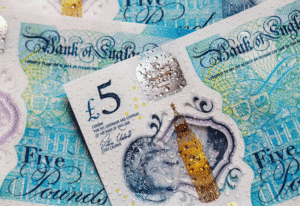
Buy Counterfeit British Pound Notes | Top Notch Quality
Introduction If you’re wondering where to buy counterfeit British pound notes, you’re not alone. In

At Note Swap, we pride ourselves on providing an extensive range of untraceable banknotes for sale, catering to collectors and those with a flair for the unusual. Whether you’re looking to buy fake USD dollars, counterfeit euro bills, or even Australian currency, we have you covered.
In today’s digital age, the practice of note swapping has gained immense popularity among students, professionals, and enthusiasts alike. This collaborative approach allows individuals to share knowledge, insights, and resources, fostering a sense of community and enhancing learning experiences. However, engaging in note swaps online comes with its own set of challenges and risks, making it essential to navigate this landscape with caution. In this article, we will explore the fundamentals of note swapping, highlight the benefits and potential pitfalls, and provide practical tips to ensure safe and effective exchanges. Whether you are new to note swapping or looking to refine your approach, understanding the key principles will help you make the most out of your online interactions.
Note swaps are the practice of exchanging notes—whether they’re lecture notes, study materials, or informal scribbles—between students or professionals. Think of it as a communal potluck for knowledge, where instead of bringing a delicious casserole, you bring your best notes to share with others, benefiting from their contributions in return. It’s all about collaboration, learning, and, let’s be honest, sometimes just saving ourselves from that inevitable all-nighter.
Back in the day, note swapping involved passing handwritten papers in class like they were top-secret government documents. Fast forward to the digital age, and now it’s easier than ever! With the rise of technology, note swapping has morphed into an online phenomenon, where you can share (and receive) notes at the click of a button. We’ve gone from pencil and paper to PDFs and cloud storage, showcasing humanity’s impressive ability to turn everything into a tech-enabled adventure—even sharing our notes.
Online note swapping opens up a world of benefits. For starters, it fosters a community of learners who support each other—a bit like the Avengers, but with less cape-wearing and more textbook sharing. You can access a plethora of perspectives and insights that can deepen your understanding of the material. Plus, it saves time and effort, letting you focus on learning rather than endlessly scribbling notes. And who doesn’t love the idea of avoiding those 3 AM panic study sessions?
However, not all that glitters is gold. With the benefits of note swapping come potential risks, such as receiving inaccurate or low-quality notes, or worse, sharing your personal information with shady characters. To mitigate these risks, do your research! Check reviews of the platform, and never exchange personal info like your social security number or your secret recipe for grandma’s cookies. Be smart: if it feels off, it probably is. Trust your instincts and err on the side of caution.
When it comes to online note swapping, many platforms make it feel like shopping for the hottest new gadget. Sites like Studypool, OneClass, and Course Hero offer options suited for various needs, whether you’re cramming for a final exam or diving into a research project. Each platform has its unique features, so take your time browsing—just like you would on your favorite streaming service, but with fewer cat videos.
Before you dive into the world of note swapping, make sure to evaluate the security features of your chosen platform. Look for things like SSL certificates, user verification, and robust privacy policies. If a site sounds like it was built in a basement with dial-up internet, keep scrolling. Just like you wouldn’t eat at a restaurant with a “closed for health reasons” sign, you shouldn’t engage with a site that doesn’t prioritize your security.
Creating secure accounts is your first line of defense in the note swapping arena. Use strong, unique passwords—something like ‘ILoveNoteSwaps123!’ (but definitely not that exact one; we like to keep things original). Enable two-factor authentication where possible, and regularly update your passwords to keep potential interlopers at bay. Just remember: the less they know about you, the better!
Clear communication is crucial in the realm of note swaps. Set up ground rules with your swap partners about what to expect, timelines for sharing, and how to handle any potential disputes—like a friendly neighborhood mediator. Whether it’s through a dedicated group chat or email threads, keeping all communications transparent ensures everyone is on the same page. And who knows? Maybe you’ll make a study buddy for life in the process!
Before diving into the world of note swapping, it’s crucial to check your potential swappers’ reviews and ratings. Think of this like checking Yelp before trying out that funky new sushi place—nobody wants to end up with a raw deal (pun totally intended). Look for platforms that have a rating system and read through the reviews. Are people raving about their swaps, or are they praying for a refund? If you spot a pattern of unhappy swappers, it might be time to swipe left on that particular note buddy.
Social media can be your BFF when it comes to vetting potential swappers. Search for their profiles, and check out their activity. Are they a consistent participant in note-swapping communities, or do they look like they just dropped in off the street? Look for engagement—positive interactions, sharing tips, and offering support indicate a trustworthy note swapper. If they’re posting photos of their cat in a graduation cap, well, that’s just a bonus for your future chats!
Navigating privacy settings might feel like deciphering hieroglyphics, but it’s vital for keeping your personal info tucked away safely. Familiarize yourself with the privacy policies of the platform you’re using. Ensure your profile isn’t giving away too much. Think of it as setting up your fortress—don’t leave the gates wide open for unwanted visitors. Adjust the settings so only your trusted swaps can see the details they need, while your personal info stays as private as your secret cookie recipe.
When it comes to note swapping, less is more—especially when sharing your information. Consider using a pseudonym or a dedicated email address that doesn’t scream your real name (unless you want to be known as “CoolCat372” forever). Avoid sharing personal details like your home address or phone number. If possible, utilize anonymous sharing features on swapping platforms. Remember, the goal is to share notes, not your life story (unless your life story is part of the notes, in which case… maybe skip that!).
Ah, copyright—the fine print everyone loves to ignore until they’re elbow-deep in drama. When swapping notes, it’s essential to understand that your notes, unless stated otherwise, are typically protected by copyright. This means that if you didn’t create it, you can’t just share it without permission. Always give credit where credit is due (and avoid any legal battles that could rival the best courtroom dramas). Just remember: sharing is caring, but stealing is… not great.
For those brave souls out there crafting notes like literary ninjas, it’s important to know your rights. As a creator, you automatically hold the copyright to your works. This means you get to decide who can use, share, or display them. If someone tries to pass off your notes as their own, you have legal options to protect your hard work. So, keep your notes close, your copyright knowledge closer, and don’t hesitate to invoke your rights if someone’s trying to pull a fast one.
Communication is key, folks! Before you dive into a swap, make sure both parties are on the same page. Discuss what you’re looking for, how the swap will go down, and what format the notes are in. Are we talking PDF, handwritten, or carrier pigeon? Setting clear expectations can help avoid any misunderstandings that could turn your swappable paradise into a chaotic disaster. Keep it transparent—after all, honesty is the best policy in the note swap game.
Once you’ve dipped your toes into note swapping, why not take the plunge and build a community? Engage with fellow swappers—exchange tips, share resources, or even organize themed swaps. Having a supportive network not only makes swapping more fun, but it can also open the door to new opportunities and friendships. Next thing you know, you’ll be hosting note-swap parties and trading stories over coffee. Just remember—bring your best notes and your best snacks!In conclusion, participating in note swaps online can be a rewarding way to enhance your knowledge and connect with others. By understanding the risks and implementing best practices for safety, you can enjoy a secure and fruitful exchange of ideas and resources. As you engage in this collaborative process, remember to stay vigilant, verify the credibility of your partners, and protect your personal information. With these strategies in mind, you can confidently navigate the world of online note swapping and reap its many benefits.
It’s important to report the scammer to the platform you are using and gather any evidence of the interaction. Additionally, inform your community or peers to prevent others from falling victim to the same scam.
Generally, notes that contain general knowledge or insights, such as study guides or summaries, are safer to swap compared to those containing sensitive personal information or proprietary content.
To ensure quality, look for swappers with positive reviews or ratings, ask for sample notes before agreeing to a swap, and establish clear expectations regarding the content and format of the notes.
Swapping notes that contain copyrighted material can lead to legal issues. Always ensure that the notes you share or receive do not infringe on copyright laws, and consider creating original summaries or insights instead.
Introduction If you’re wondering where to buy counterfeit British pound notes, you’re not alone. In

Introduction If you’re wondering where to buy fake 100 dollar bills, you’re not alone. In

Introduction In 2026, the landscape of online shopping has evolved significantly, and one area that