
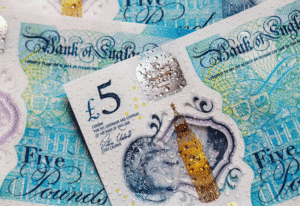
Buy Counterfeit British Pound Notes | Top Notch Quality
Introduction If you’re wondering where to buy counterfeit British pound notes, you’re not alone. In
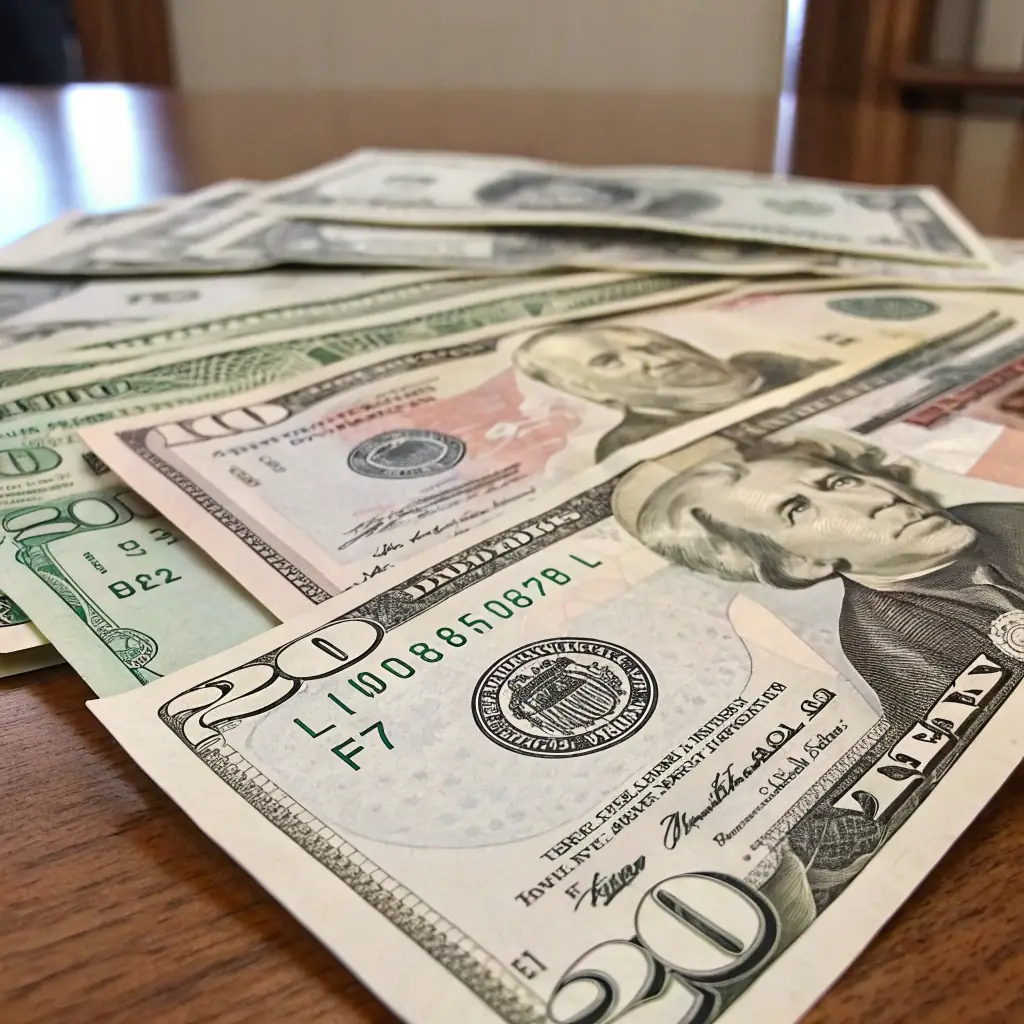
The allure of counterfeit U.S. banknotes has captivated individuals for various reasons, from curiosity to illicit financial schemes. While some may seek these fake currencies out of fascination or for novelty purposes, the reality is that purchasing counterfeit money carries significant legal and financial risks. This article aims to explore the various avenues where one might encounter counterfeit U.S. banknotes, the implications of buying them, and the associated dangers. By understanding the landscape of counterfeit currency, readers can make informed decisions and steer clear of potential pitfalls.
Counterfeit currency is essentially fake money designed to look like real currency, with the intent to deceive and defraud. It’s like the doppelganger of dollar bills—same look, but oh-so-different in value. The production of counterfeit money is illegal and can include anything from sophisticated reproductions of high-denomination bills to crude imitations that might leave you with more questions than answers.
Counterfeiting in the U.S. is as old as the federal government itself. The first U.S. paper currency was issued in 1861, shortly after which counterfeiters jumped on the bandwagon. By the 19th century, counterfeiting had become an art form, with a rogue’s gallery of criminals trying to outsmart the feds. The introduction of the Secret Service in 1865 was a game-changer in cracking down on this illicit industry, transforming the approach to currency protection that we know today.
Buying counterfeit money is a big no-no under federal law. It’s not just a slap on the wrist; if you’re caught, you could face serious penalties that include hefty fines and even prison time. The U.S. Code Section 471 makes it clear: producing, distributing, or even possessing counterfeit currency is a federal crime, and the consequences can vary based on the severity of the offense. Spoiler alert: it rarely ends with a happy ending.
While federal laws take the lead, individual states can throw their own curveballs into the mix. Each state may have additional regulations and penalties for counterfeiting that could make your life even more complicated. Whether it’s fines, community service, or more jail time, state laws are like that unpredictable spice in a recipe—you never know what you might get!
While I can’t point you to any actual websites for buying counterfeit currency (because, you know, that would be illegal), it’s known that some shady online marketplaces exist in the far reaches of the internet. From obscure forums to illicit e-commerce sites, these digital marketplaces are usually well-hidden and come equipped with the kind of buyer’s remorse you’re unlikely to forget when law enforcement comes knocking.
If you’re still curious about where rogue traders operate, let’s just say safety is not their concern. Online marketplaces for counterfeit banknotes often lack the security measures you’d find on legitimate sites. Think of it like shopping in a dark alley—you might find something interesting, but you’re also risking your health and safety. Buyer beware! One wrong click, and you could end up on the wrong side of the law.
The dark web is like the underbelly of the internet, housing all the activities that mainstream browsers prefer to ignore. To access this hidden realm, you typically need special software like Tor, which allows users to surf anonymously. It’s a bit like going through a secret door, but remember: everything on the other side can be sketchy at best and downright dangerous at worst. If you’re thinking of exploring this murky territory, just remember to pack your sense of caution!
Once you’ve made it to the dark web (and survived the journey), you might stumble upon a variety of counterfeit currency options. From low-quality replicas of small-denomination bills to high-caliber forgeries mimicking hundreds, there’s typically a price point for every wannabe counterfeit aficionado. Just remember, while the selection might be tempting, the consequences for indulging in such purchases are very real—and very serious!
Engaging in the purchase of counterfeit currency is no laughing matter—unless you’re in a courtroom, then everyone’s just trying to avoid a serious chuckle. Under federal law, buying or selling counterfeit currency can land you in hot water faster than a coffee pot in a college dorm. If caught, you could face hefty fines, and in extreme cases, a prison sentence that would make your Netflix binge-watching seem like a walk in the park. So, unless you’re dying for a temporary stay in a metal bunk bed, it’s best to steer clear of the counterfeit market.
Let’s be real: purchasing counterfeit money is like putting your savings in a piñata and waiting for it to rain cash. Spoiler alert: it won’t! Many shady sellers operate in the counterfeit realm, and you risk getting scammed out of your hard-earned dollars. You might think you’re getting a great deal, only to end up with nothing but a bad taste in your mouth and an empty wallet. Plus, if you accidentally try to spend a counterfeit bill, you’ll not only lose your money but could also face serious repercussions. So, it’s like double jeopardy, but without the fun trivia.
U.S. banknotes come packed with features designed to make them harder to forge than a toddler’s drawing of a cat. Look for the watermark, security thread, color-shifting ink, and micro-printing on the bills. Genuine notes also have tiny, intricate details that would make even the most skilled forger weep with frustration. So, next time you handle cash, channel your inner detective and give that dollar bill a thorough inspection—detective hat optional.
Now that you know what to look for, let’s talk about spotting the fakes. If your bill feels as flimsy as a wet noodle, or if the colors seem off or lack vibrancy, there’s a good chance you’re dealing with a counterfeit. Hold the bill up to the light and look for the security thread; if it’s missing, it’s a clear sign you need to toss that bill like yesterday’s leftovers. And don’t forget to check for the raised printing; if it feels as smooth as your favorite ice cream, walk away!
If you’re itching to get your hands on replica currency for educational purposes, there are legal avenues to explore. Many novelty and educational supply stores sell realistic-looking replica money—perfect for teaching kids about finance without risking felonies. Just make sure to read the fine print: these replicas usually come marked as “not legal tender.” You can also find collectors’ items that are designed to look like real currency without being illegal.
Feeling curious about the world of currency? There’s a treasure trove of educational resources available that can make you the life of the party at your next trivia night! Websites from the U.S. Bureau of Engraving and Printing provide information on how currency is made, features of genuine banknotes, and even fun facts that could impress your friends. Books and online courses about currency can also equip you with knowledge that’s far more valuable than counterfeit cash.
In summary, while the allure of counterfeit currency may seem tempting, the risks far outweigh the benefits. The legal consequences can be severe, and the financial pitfalls can leave you worse off than before. Plus, recognizing genuine currency is fairly straightforward, making it easier to stay above board in your financial dealings.
In the end, it’s clear: counterfeit currency is a slippery slope that leads to nowhere good. Instead of risking it all for a quick buck, stick to legal and legitimate ways to handle your cash. Remember, the only thing worth trading in is knowledge—everything else could just land you in a heap of trouble. Choose wisely!In conclusion, while the prospect of acquiring counterfeit U.S. banknotes may seem tempting to some, the legal repercussions and financial risks far outweigh any perceived benefits. It is crucial to stay informed about the realities of counterfeit currency and to prioritize legality and safety in financial transactions. By choosing to engage with legitimate sources and understanding the implications of counterfeit currency, individuals can protect themselves from the dangers associated with counterfeit money.
Buying counterfeit banknotes can lead to severe legal consequences, including hefty fines and imprisonment. Under federal law, the production and distribution of counterfeit currency is a felony, which can result in a prison sentence of up to 20 years.
To identify counterfeit banknotes, look for key features such as the security thread, color-shifting ink, and watermarks. Genuine U.S. banknotes have distinct characteristics that can be verified using simple tests, such as checking the texture and overall feel of the currency.
Yes, there are legal alternatives to counterfeit money, such as purchasing replica currency for educational purposes or novelty items. Many online retailers offer high-quality replicas that are clearly marked as fake and can be used for display or entertainment without legal repercussions.
Buying currency online can be risky, especially if it involves counterfeit notes. It is essential to use reputable websites and ensure that you are complying with all legal regulations. Always prioritize safety and verify the legitimacy of the seller before making any purchases.
Introduction If you’re wondering where to buy counterfeit British pound notes, you’re not alone. In
Introduction If you’re wondering where to buy fake 100 dollar bills, you’re not alone. In
Introduction In 2026, the landscape of online shopping has evolved significantly, and one area that